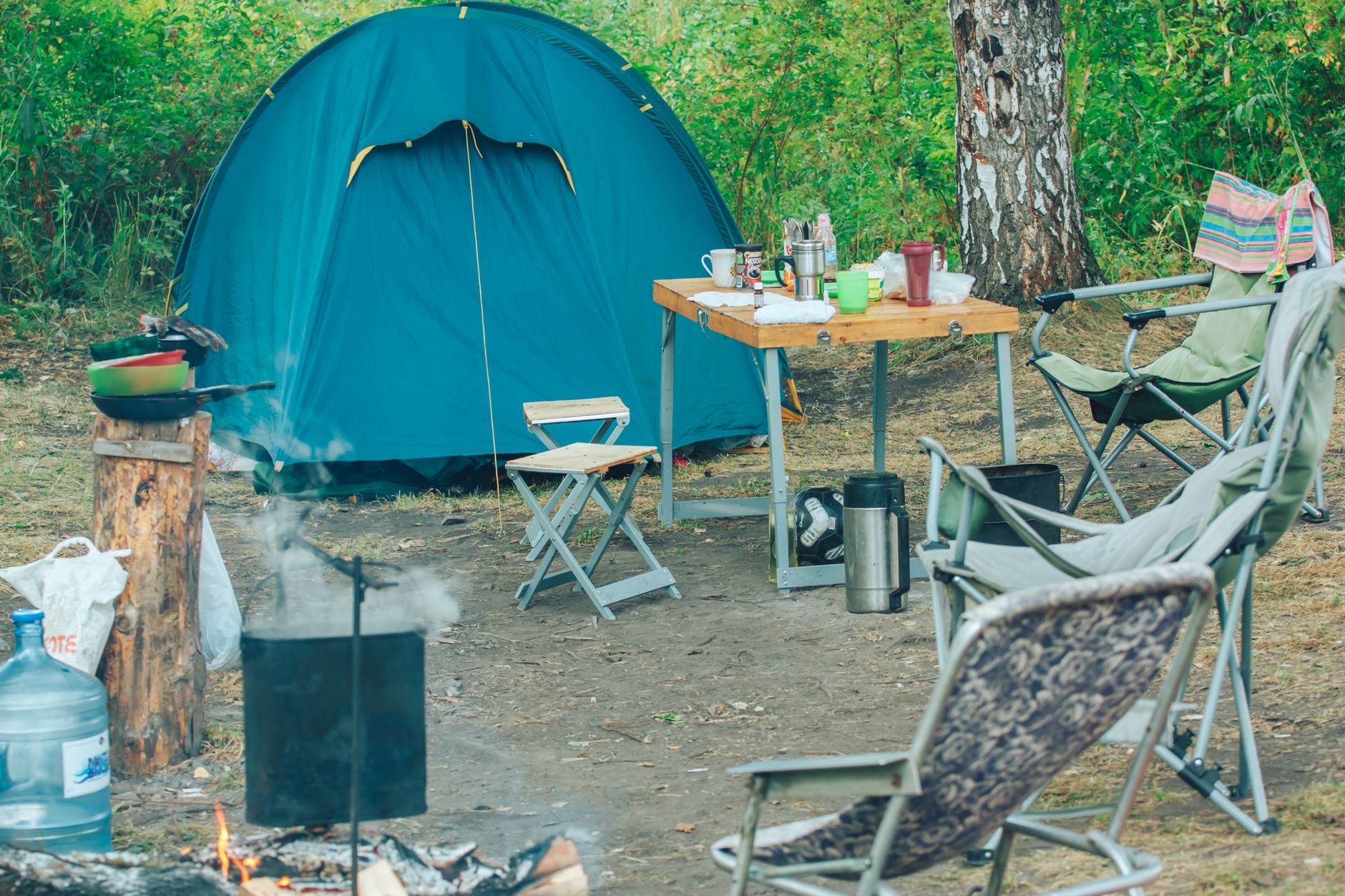
Key Takeaway: A fully functional car-camping kitchen costs less than a single restaurant dinner for four — about $95 all-in for a reliable two-burner stove, nesting cookware, utensils, and coffee gear that will last many seasons. Smart shopping at REI Outlet, Walmart, and Amazon sales keeps the total under $100 without cutting quality.
The Complete $100 Camp Kitchen at a Glance
- Two-burner propane stove — Coleman Classic ($40–$50)
- Nesting cookware set — GSI Outdoors Bugaboo Camper ($35–$45)
- Utensils, cutting board, knife, dish kit — ($10–$15)
- Coffee gear, mugs, collapsible water jug — ($10–$15)
- Total: $95–$125 — under $100 with one or two sale items.
The $100 Camp Kitchen: What's in the Kit
Every piece below has been chosen for real camping conditions — not pantry-grade gear that looks nice at home but buckles in the wind or on a gravel pad. The setup handles everything from cowboy coffee to a proper steak dinner at the campsite.
Stove — Coleman Classic Two-Burner ($40–$50)
The Coleman Classic has been the default car-camping stove for decades because it works. Two adjustable burners, reliable ignition, and enough BTU output to boil water in about four minutes. It runs on inexpensive 16 oz propane canisters ($4–$6 each, lasting two to three trips).
Two burners matter more than they sound — you can boil water for coffee while cooking eggs at the same time. Single-burner stoves force sequential cooking that doubles your meal prep time. If you camp in exposed, windy sites, the Coleman Triton 2 ($50–$60) is a worthwhile upgrade: it adds about 2,000 more BTUs per burner and better wind resistance.
Cookware — GSI Outdoors Bugaboo Camper Set ($35–$45)
This nesting set includes a 3-liter pot, a 2-liter pot, and a 9-inch frying pan — enough to cook a full meal for two to four people. The non-stick coating holds up well if you use plastic or wooden utensils (never metal), and everything nests together for compact storage.
Budget alternative: a thrift-store cast-iron skillet ($5–$10) plus a single aluminum pot from Walmart ($8) will cook the same meals for under $20. The trade-off is weight and packability, which matter more in a small vehicle or shared trunk space.
Utensils and Essentials ($10–$15)
- Spatula, tongs, and serving spoon set — about $6 at Walmart.
- Small plastic cutting board — $3.
- Camp knife or kitchen knife with sheath — $5–$10.
- Dish soap, a sponge, and a small microfiber towel — about $3 total.
Keep it minimal. That covers prep, cooking, and cleanup without a crowded mess kit.
Water and Coffee ($10–$15)
- Enamel percolator or pour-over dripper — $8–$12 (no electricity required).
- Two-pack of insulated mugs — $8–$10 at Target.
- Collapsible two-gallon water jug — $5–$8 (folds flat when empty).
Budget Breakdown
| Item | Typical Price |
|---|---|
| Coleman Classic two-burner stove | $40–$50 |
| GSI Outdoors Bugaboo Camper cookware set | $35–$45 |
| Utensils, cutting board, knife, dish kit | $10–$15 |
| Coffee gear, mugs, water jug | $10–$15 |
| Total | $95–$125 (under $100 with a sale or two) |
Keep it under $100. The Coleman Classic frequently drops to $35 during spring sales at REI, Walmart, and Amazon. GSI Outdoors sets regularly go on clearance at the end of camping season. REI Outlet is worth checking weekly for deeper discounts on the same cookware shown here.
What You Don't Need (Yet)
- A camp table. A flat rock, tailgate, or cooler lid works fine as a prep surface until you're camping enough to justify one.
- A fancy spice kit. Salt, pepper, and olive oil in small containers from home cover 90% of camp recipes.
- A Dutch oven. Amazing, but expensive and heavy. Skip it until you know you'll use it.
- A portable grill grate. Useful, but a two-burner stove handles most cooking without one.
5 Meals You Can Cook With This Setup
- Campfire breakfast (15 min): Scrambled eggs, bacon, and toast on the skillet with coffee from the percolator.
- One-pot pasta (20 min): Boil pasta in the big pot, drain, add jarred sauce and pre-cooked sausage. Feeds four.
- Steak and veggies (25 min): Sear steaks in the skillet while roasting foil-wrapped vegetables on the second burner.
- Camp chili (30 min simmer): Brown ground beef in the skillet, transfer to the big pot with canned beans, tomatoes, and spices.
- Pancake breakfast (15 min): Just-add-water mix cooked on the skillet, served with syrup and fresh fruit.
Care Tips That Save Money
- Clean cookware before food dries on it. Dried-on food is dramatically harder to remove and can damage non-stick coatings.
- Disconnect fuel before storing the stove. Remove the burner caps too — it keeps the regulator dry and prevents spider nests in the orifice.
- Never stack weight on nesting cookware. Dents are permanent and compromise the seal between pieces.
- Dry everything completely before packing. Pay attention to pot bottoms and the skillet handle joint, where rust and mildew start.
Frequently Asked Questions
Can I use this stove at high altitude?
Yes, but propane combustion is slightly less efficient at elevation. Expect boil times to run a minute or two longer above 8,000 feet. The Coleman Classic handles altitude well — just account for longer cook times and keep the canister warm (body heat or an insulated sleeve) in cold conditions to maintain pressure.
How do I dispose of empty propane canisters?
Empty and puncture them before disposal so they cannot pressurize. Coleman makes an inexpensive canister puncture tool. Most campgrounds have a designated disposal area; never put pressurized canisters in a fire or in regular trash. Some outdoor retailers also take back empty canisters for proper recycling.
Is this setup good for backpacking or only car camping?
Car camping only. The Coleman Classic is too heavy for the backcountry. For backpacking, swap the two-burner for a single-burner canister stove like the MSR PocketRocket 2 (~$45) and a single titanium pot. The core principles — minimal gear, real food, planned meals — transfer perfectly.
How many people can I feed with this kit?
Two to four comfortably. The 3-liter pot handles pasta or chili for four, and the skillet cooks breakfast for two in one go or four across two rounds. If you regularly camp with groups of five or more, add a second skillet or a larger pot rather than upgrading the stove.
Does this stove work in cold weather?
Yes, with one adjustment. Propane stoves lose pressure as canister temperature drops — below about 32°F (0°C), output falls noticeably. Keep canisters inside your tent vestibule or sleeping bag overnight, and keep one warming in a jacket pocket while cooking. The Coleman Classic remains functional into the teens with these workarounds.
How do I store this kitchen in bear country?
Treat the entire kitchen as a smell source. Store the stove, cookware, utensils, and any food residue in a bear box, bear canister, or hung bear bag at least 100 yards from the tent. Wipe the stove and cookware clean before storing — a single greasy skillet in the campsite is enough to attract a bear. Some campgrounds in bear country require this by regulation.